Product
Adaptive paths without replacing your LMS.
Personalization should follow the concept model — not force you to rebuild delivery infrastructure.
July 12, 2026 6 min read
“Adaptive learning” often arrives as a platform replacement pitch: migrate content, retrain staff, and hope the new system’s pathways are better than the old linear courses.
Most professional training providers cannot afford that disruption. They need adaptive behavior on top of the LMS, courseware, and certification workflows they already trust.
What adaptive should mean in professional training
Useful adaptation is not shuffling modules for novelty. It is assigning the next concept, diagnostic, or remediation based on what a learner still misunderstands.
That only works when pathways are grounded in a concept model with prerequisites and assessment coverage — otherwise “personalization” is cosmetic.
Intelligence as a layer, not a replacement
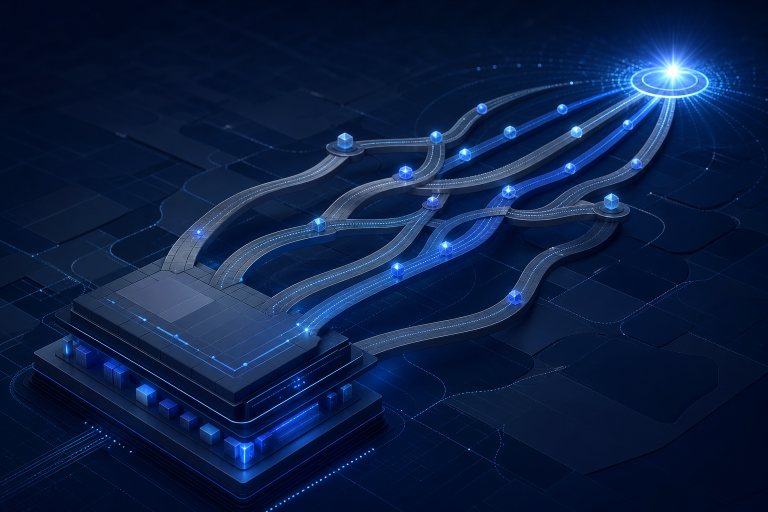
A competency intelligence layer reads existing content, builds the model, and feeds adaptive next steps and readiness insights back to instructors and learners.
Enrollment, records, SCORM/xAPI delivery, and SSO can stay where they are. The LMS remains the system of record; the intelligence layer becomes the system of understanding.
- Keep delivery and compliance records in the current stack.
- Add concept models, diagnostics, and readiness on top.
- Expand course by course instead of a big-bang migration.
Integration reality for training providers
Buyers rightly ask how adaptive tools connect to Moodle, Canvas, custom portals, and assessment vendors. The right answer is pragmatic: start with content ingestion and instructor workflows, then deepen data sync where it creates leverage.
The goal is measurable readiness improvement on one program before wiring every edge-case integration.
How 7sense approaches adaptive paths
7sense builds concept models from your materials, personalizes learner pathways around gaps, and surfaces readiness for instructors — without asking you to abandon the stack that already runs your business.
That is why pilots often start with a single course and a defined cohort rather than a platform swap.